

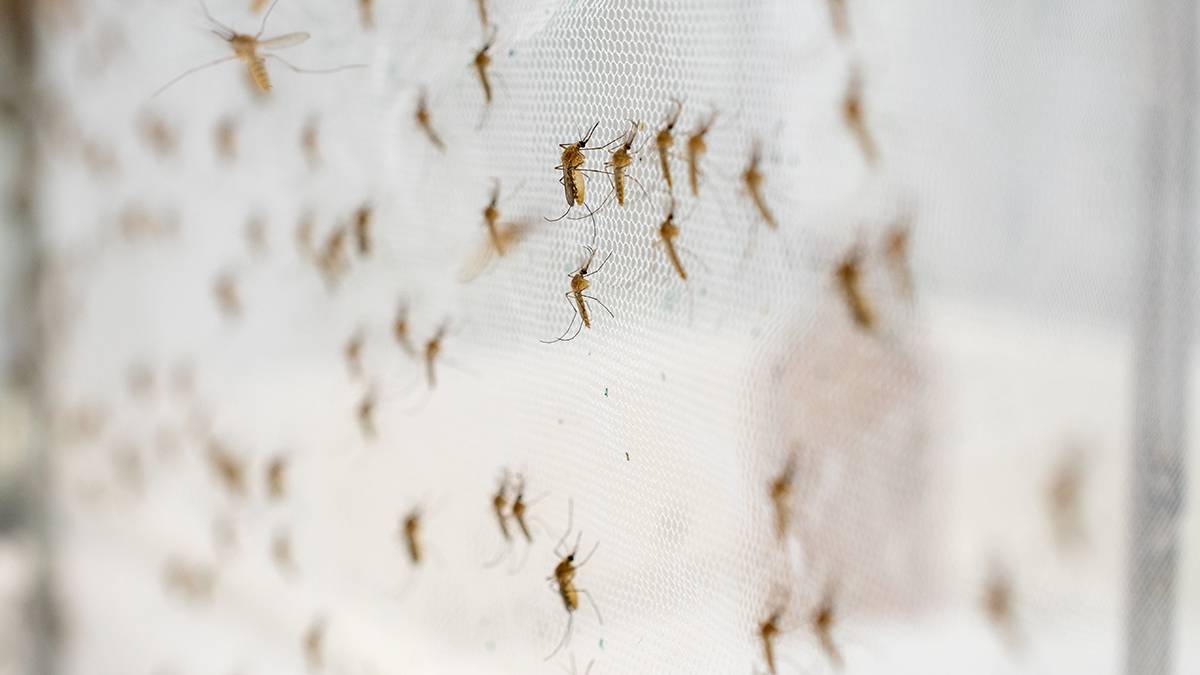
In Russia, isolated cases of dirofilariasis, a parasitic disease transmitted by mosquito bites, are recorded annually. At the same time, no increase in infection rates has been observed, nor do they exceed long-term average levels. This was reported by the press service of Rospotrebnadzor on Friday, May 29.
The administration reminded of the main preventive measures in the spring and summer period – the time when mosquitoes are active: blocking windows and balconies, using fumigants and repellents, preventing mosquitoes from breeding in containers with water in summer cottages, as well as deworming domestic dogs and cats.
Endemic areas of dirofilariasis are located in the south of the country – in the Volgograd, Rostov regions, Krasnodar Territory and Sevastopol, as well as in a number of regions of the central and northern parts of Russia. Human infection occurs through mosquito bites in which heartworm larvae develop. The disease develops in the subcutaneous tissue, mucous membranes and conjunctiva of the eye. Treatment is surgical. Complete removal of helminths is required.
“If you suspect dirofilariasis, it is important to seek medical help; such diseases require vigilance… The situation is under the control of Rospotrebnadzor,” the statement said. message.
There are many devices to combat mosquitoes: electric fumigators, UV lamps, aroma diffusers and aroma lamps, essential oils, aerosols and sprays, as well as spirals. But can they harm pets? “Moscow Evening” learned the answer to this question from Mikhail Shelyakov, a veterinarian of the highest category.