

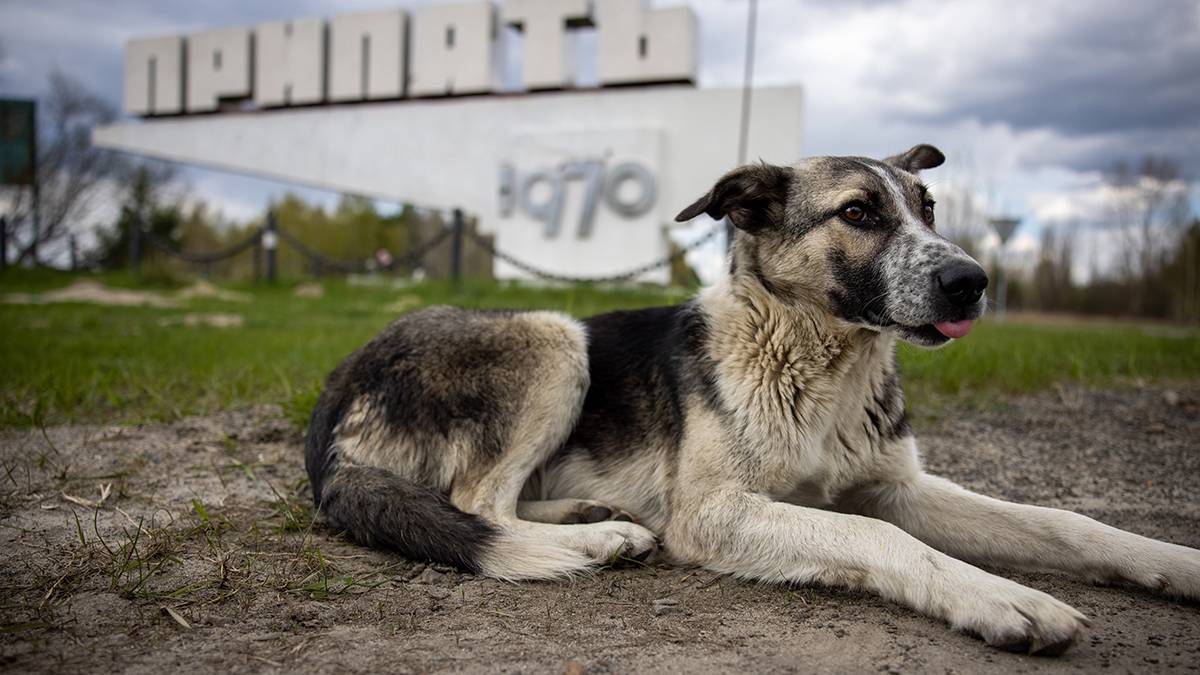
The Chernobyl Exclusion Zone has become one of the largest wild mammal refuges in Europe. This conclusion was made by scientists whose research results were published in the journal Proceedings of the Royal Society B.
The authors of the work note that areas with limited human presence contribute to the preservation of biodiversity and the recovery of animal populations. Despite radioactive contamination, the area, unsuitable for permanent human habitation, eventually became an important area for wildlife.
– Chernobyl restricted zone as a wildlife reserve: Limited human access affected recolonization of mammals, agency says Publications.
Scientists also noted that other closed zones, including the Korean Demilitarized Zone, could play a similar role.
On April 26, 1986, the largest man-made disaster occurred at the Chernobyl nuclear power plant. Forty years later, the lessons learned from Chernobyl have not been forgotten. This is our shared and very close drama. About the tragedy and its consequences – in the article “Moscow Evening”.